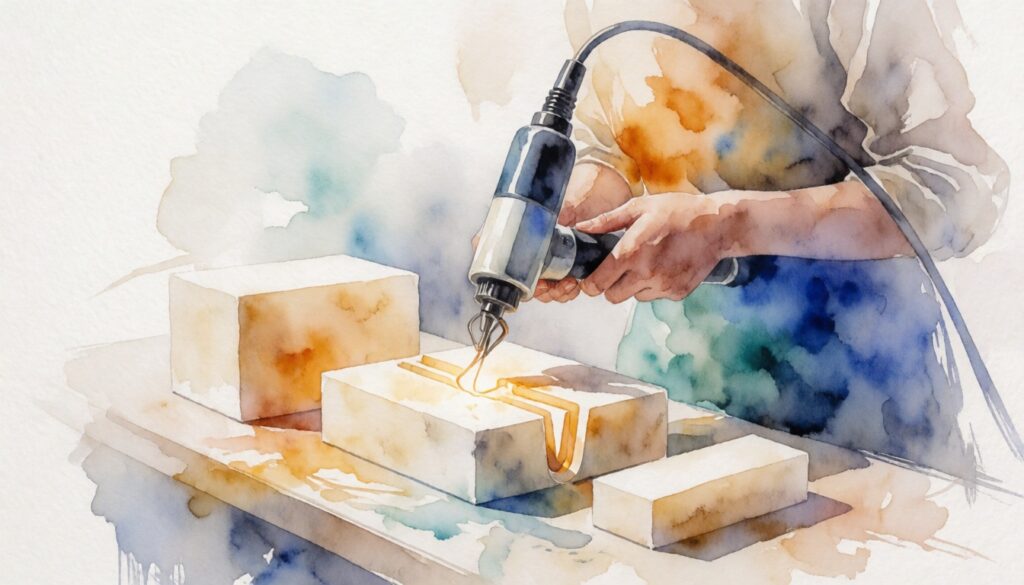
Introduction to Hot Wire Foam Cutting
Hot wire foam cutting is a shaping method that uses a heated resistance wire to melt a narrow path through foam. Instead of tearing or abrading the material, the wire glides through EPS, XPS, EPP, and similar foams to create clean edges, smooth curves, and repeatable profiles. For hobbyists, model makers, cosplay builders, packaging designers, fabricators, and architectural modelers, it is often faster and cleaner than saws or knives.
This guide—Hot Wire for Cutting Foam: The Complete COMEKIN Guide—is designed to help you choose, set up, and use hot wire tools with confidence. COMEKIN’s practical approach focuses on clean cuts, controlled heat, stable frames, safe work habits, and reliable replacement parts. Whether you are cutting a small craft blank or planning a CNC foam workflow, the key is matching the tool, wire, temperature, and technique to the foam and project.
Hot Wire cutting is popular because it offers:
- Clean cuts: The wire seals the foam surface as it melts through, reducing crumbs and ragged edges.
- Curved shapes: Freehand and template-guided cuts are easier than with most saws.
- Low dust: The process produces little airborne dust compared with sanding or sawing foam.
- Repeatable results: Bow cutters, guides, fences, and CNC systems help duplicate shapes accurately.
- Efficient shaping: Thick foam blocks, tapers, slots, and bevels can be cut with less force.
This COMEKIN guide covers tool selection, setup, safety, cutting techniques, maintenance, troubleshooting, project ideas, and buying essentials. It is written for beginners who need a clear starting point and for experienced fabricators who want better control, cleaner edges, and more predictable results.
What Is a Hot Wire Foam Cutter?
A hot wire foam cutter is a tool that heats a thin resistance wire and uses that wire as the cutting edge. The wire is usually nichrome or a similar resistance alloy. As current passes through the wire, electrical resistance creates heat. When the hot wire contacts foam, it melts a narrow kerf and allows the user to guide the wire along a line, template, or frame.
Basic components include:
- Heating wire: The consumable cutting element, commonly nichrome or resistance wire.
- Bow or frame: Holds the wire under tension and provides control.
- Power supply: Delivers current to heat the wire.
- Temperature or power control: Adjusts heat for different foams, thicknesses, and cutting speeds.
- Handle and base: Provides ergonomics, stability, and safety.
Hot wire cutters differ from foam knives, saws, and CNC hot wire systems. A foam knife cuts mechanically and may crush or tear foam. A saw removes material quickly but creates dust and ragged edges. A CNC hot wire system automates movement for repeatable profiles and production work. Manual hot wire bows and handheld cutters sit between those options: they are more controlled than a knife for many foam shapes, but more affordable and flexible than automated CNC equipment.
Common terms include:
- Hot wire bow: A frame that holds a tensioned wire for straight, curved, and template-guided cuts.
- Handheld cutter: A compact tool for freehand cuts and small craft work.
- Tabletop cutter: A fixed tool with a stable base and work surface for controlled cuts.
- Replacement wire: Spare resistance wire sized for the tool and application.
- Kerf: The gap of melted material left behind by the wire.
How Hot Wire Cutting Works
Electrical Resistance Heating
A hot wire cutter works by passing electrical current through a resistance wire. The wire resists current flow, converts electrical energy into heat, and reaches a temperature high enough to melt foam on contact. The power supply and control system determine how much heat is available. Too little heat causes wire drag, stringy edges, and distortion. Too much heat creates an overly wide kerf, melted pockets, and fumes.
Temperature, Speed, and Foam Density
Cut quality depends on the balance between wire temperature, feed rate, and foam density. Lower-density foam generally melts quickly and may need lower heat or a faster steady feed. Denser foam may require more heat or a slower feed rate. Fine details usually call for lower heat and careful control, while thick blocks may need more heat and a slower, consistent pass.
Rushing a cut can cause wire lag, where the wire bends behind the intended path. This produces drag marks, uneven walls, and inaccurate shapes. Moving too slowly with excessive heat can widen the kerf and create a rough melt zone.
Kerf Width and Melt Zone
Hot wire cutting removes material through melting, so the wire leaves a kerf. A thin wire and well-controlled temperature usually produce a narrower kerf. A thick wire or excessive heat creates a wider melt zone and more material loss. For fitted parts, packaging inserts, and multi-piece assemblies, account for kerf in your template or measurement plan.
Stringy edges can occur when the wire is too cool, the feed rate is too fast, or the foam is incompatible with the heat setting. Test scrap foam first, then adjust temperature and speed before cutting final parts.
Wire Tension and Frame Stability
Wire tension matters. A loose wire bows, wanders, and produces inaccurate cuts. A properly tensioned wire stays straight under cutting pressure and follows templates more predictably. The frame must be rigid enough to resist flex. For straight cuts, use a fence or guide. For curved templates, keep the template stable and feed the foam or tool smoothly.
Why Choose COMEKIN for Hot Wire Foam Cutting
COMEKIN focuses on practical foam cutting tools, replacement parts,